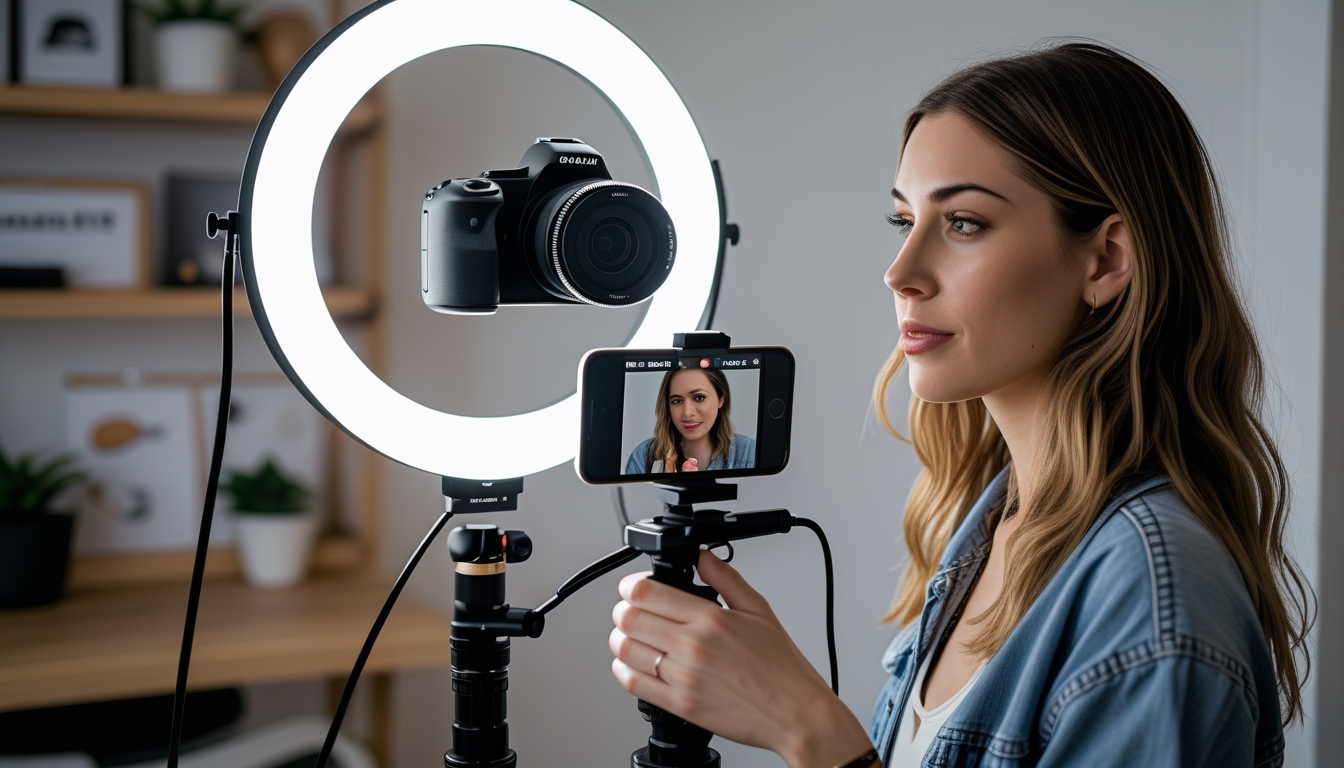
Influencer marketing has become a core component of social media strategy for brands of all sizes. But the perception that it requires large budgets and partnerships with high-profile personalities prevents many Australian businesses from exploring it. In reality, some of the most effective influencer marketing campaigns are built on smaller partnerships with micro and nano-influencers who deliver authentic engagement at a fraction of the cost.
The Australian Influencer Landscape
Australia has a vibrant and diverse influencer ecosystem. From fitness enthusiasts in the Gold Coast to food bloggers in Melbourne, tech reviewers in Sydney to lifestyle creators in Perth, there are influencers operating in virtually every niche and location. This diversity is an advantage for brands because it means you can find creators whose audience closely matches your target market.
Influencers are typically categorised by audience size. Nano-influencers have between 1,000 and 10,000 followers. Micro-influencers have between 10,000 and 50,000. Mid-tier influencers range from 50,000 to 250,000. And macro-influencers have over 250,000 followers. For budget-conscious brands, nano and micro-influencers represent the sweet spot of affordability, authenticity, and engagement.
Why Smaller Influencers Often Deliver Better Results
Engagement rates consistently decrease as follower counts increase. Nano-influencers in Australia typically achieve engagement rates between 4 and 8 per cent, while macro-influencers often see rates below 2 per cent. This means that a smaller influencer's audience is proportionally more engaged, more attentive, and more likely to act on a recommendation.
Smaller influencers also tend to have more genuine relationships with their followers. Their audience trusts their recommendations because they feel more like advice from a friend than a paid advertisement. When a nano-influencer recommends a local restaurant or a new skincare product, their followers pay attention because the recommendation feels personal and credible.
Cost is obviously a factor. A macro-influencer might charge five thousand to fifty thousand dollars for a single post, while a micro-influencer might charge between two hundred and one thousand dollars. Some nano-influencers are willing to collaborate in exchange for free products or experiences. This makes influencer marketing accessible to businesses with modest marketing budgets.
Finding the Right Influencers
The most important factor in influencer selection is audience alignment, not follower count. An influencer with ten thousand followers in your exact target demographic will deliver better results than one with a hundred thousand followers in a broader audience. Look for influencers whose content, values, and audience demographics align closely with your brand.
Start by searching relevant hashtags and location tags on Instagram and TikTok. If you are a Perth-based business, search for local creators who are already talking about topics related to your industry. Check who is already following and engaging with your brand on social media. Some of your best influencer partners may already be customers.
Evaluate potential influencers by examining their engagement quality, not just quantity. Read the comments on their posts. Are followers asking genuine questions and sharing personal responses, or are the comments generic and superficial? Authentic engagement in the comments section is a strong indicator of genuine influence.
Review the influencer's content history to ensure brand alignment. Their values, tone, and content quality should complement your brand. If they have previously promoted competing products or brands that conflict with your values, they may not be the right fit regardless of their audience size.
Structuring Cost-Effective Partnerships
Product Gifting
For product-based businesses, gifting your product to relevant influencers is the most affordable entry point. Send a selection of your products with a personalised note. Do not require a post in return. If the product is good and the influencer genuinely likes it, they will often share it organically. This approach generates the most authentic content because it is not paid or obligated.
Affiliate Arrangements
Offer influencers a unique discount code or affiliate link that gives their audience a special offer while providing the influencer with a commission on each sale. This performance-based model aligns incentives and reduces your upfront cost. You only pay for results, making it a low-risk way to test influencer partnerships.
Content Collaboration
Instead of paying for a sponsored post, collaborate with influencers on content that serves both parties. Co-create a recipe using your food product. Film a styling video featuring your clothing. Host a joint live session discussing a topic relevant to both your audiences. This collaborative approach often produces more engaging content than standard sponsored posts and can cost significantly less.
Long-Term Ambassadorships
Rather than one-off paid posts, consider building ongoing relationships with a small number of influencers. Long-term ambassadorships allow the influencer to develop genuine familiarity with your brand, resulting in more authentic and effective recommendations over time. Negotiate a monthly rate that covers a set number of posts and stories, which is typically more cost-effective than paying per individual piece of content.
Legal Requirements in Australia
Australian Consumer Law requires that any material connection between a brand and an influencer must be clearly disclosed. This means that if an influencer has been paid, gifted products, or has any other arrangement with your brand, the post must include a clear and prominent disclosure such as paid partnership, ad, or gifted. The ACCC has been increasingly active in enforcing these requirements, and both brands and influencers can face penalties for non-compliance.
Ensure that your influencer briefs include clear instructions about disclosure requirements. Do not rely on influencers to know the rules. Provide specific guidance about where and how disclosures should appear. Instagram's built-in paid partnership tag is one effective method, but additional text disclosure in the caption is recommended for maximum compliance.
Measuring Influencer Marketing ROI
Track the performance of each influencer partnership against clear objectives. For awareness campaigns, measure reach, impressions, and new follower growth during and after the campaign. For consideration campaigns, track website traffic, content saves, and engagement quality. For conversion campaigns, monitor sales through affiliate links or discount codes, enquiry volume, and direct attribution where possible.
Calculate cost per engagement and cost per acquisition for each influencer to compare performance across partnerships. Over time, this data helps you identify which influencers deliver the strongest return and deserve continued investment, and which partnerships are underperforming relative to their cost.
Influencer marketing does not need to be expensive to be effective. By focusing on authentic partnerships with smaller creators who genuinely connect with your target audience, Australian businesses can achieve significant marketing impact at a fraction of the cost of traditional advertising or macro-influencer campaigns.
Need help building an influencer marketing strategy?
Get a Free Consultation